



On 4 September 2025, the Chamber of Construction and Building Materials Industry of Slovenia (CCIS) organised an expert webinar titled “From Idea to European Funding – Preparing Competitive Projects for I3 Calls” as part of the GREET CE project’s Eco-Construction pilot. The event was open to all pilot areas and focused on supporting innovative companies in identifying viable funding pathways aligned with the objectives of the GREET CE project, particularly through the Interregional Innovation Investments (I3) instrument. The programme addressed key elements of project development: crowd-lending models, consortium building, the role of expert project offices, collaboration with consultancies, and strategic capacity building of SMEs to accelerate investment readiness. In the introductory address, Alenka Bea Logar Pučnik (CCIS) underlined that climate goals must be translated into real economic solutions. Sustainability, circularity, and bioeconomy are not abstract ideals but concrete innovation domains that must be underpinned by investment logic, market application, and blended financing models. She presented I3 as a central EU instrument supporting scale-up, cross-regional partnerships and the integration of smart, circular, and competitive solutions, fully in line with Smart Specialisation Strategies. Expert contributors offered valuable practical insights.
Dr Aleš Hančič (TECOS) explained the role of intermediary organisations and technology centres in long-term support for SMEs, stressing the importance of strategic patience, reputation building, and alignment with larger industrial actors.
Miha Jazbinšek (MK Projekt) highlighted the critical need for reliable and responsive partners and the formation of project teams with operational synergy.
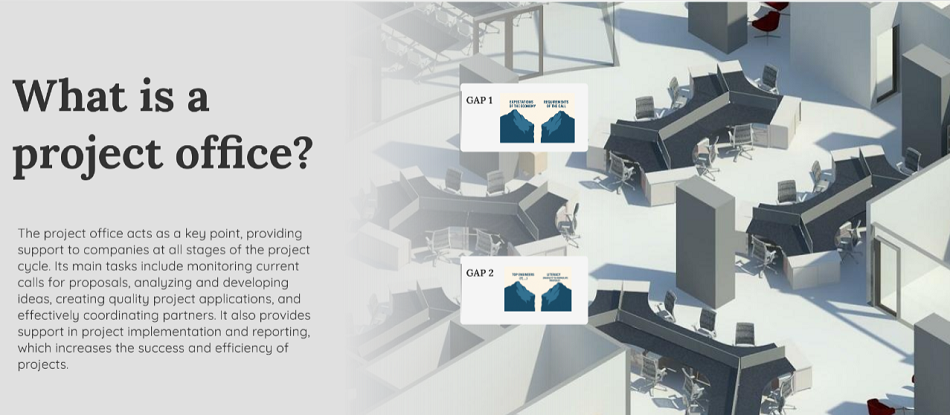
Primož Praper (EUTRIP) presented two key strategic challenges in EU project development: bridging the gap between innovation and funding, and bridging the implementation gap between SMEs and real market deployment.
The open discussion reinforced the central dilemmas facing SMEs in the scale-up phase. Participants emphasised the tension between the urgency of business development and the slow pace of public funding cycles, the resource intensity of preparing competitive project proposals, and the difficulty of accessing capital during critical development periods. The importance of a supportive project environment, legal protection for collaborative innovation, and cost-efficiency in proposal preparation were also underlined. The session concluded with a clear message: innovative SMEs are the core drivers of the green and digital transition. What they need is access to capital, trusted partnerships, and a funding logic that supports their real-world implementation capacity.